
Mobility
Treatment that travels
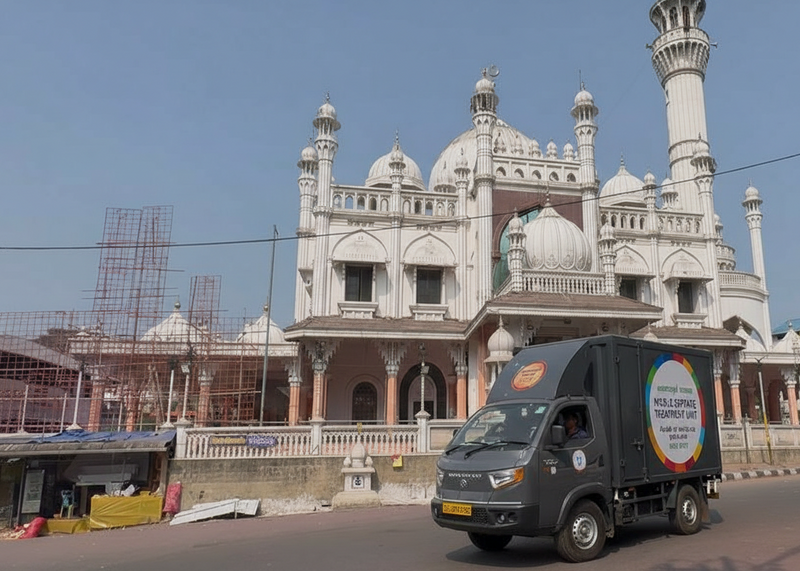
A compact truck-mounted system serves multiple sites, including places with limited fixed infrastructure.

Treatment at the source. A compact, truck-mounted system bringing decentralized septage management to homes, institutions and communities across Kerala.
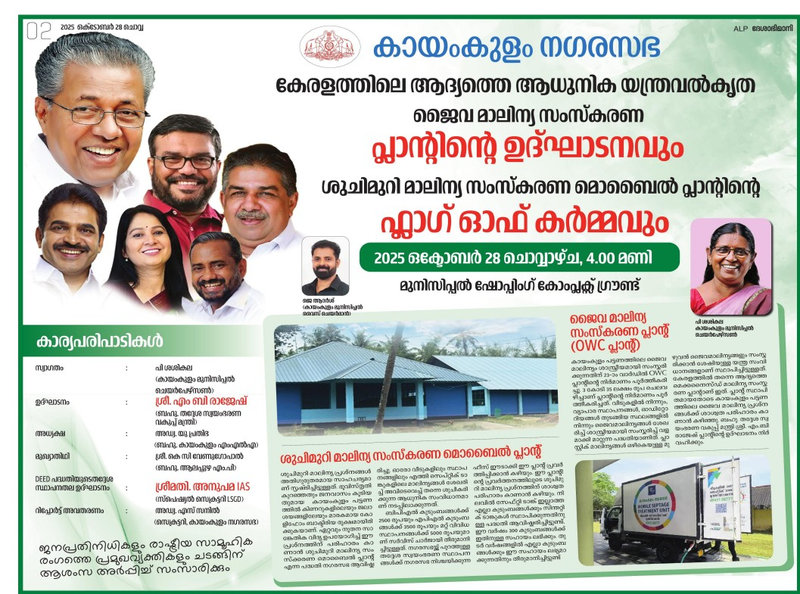
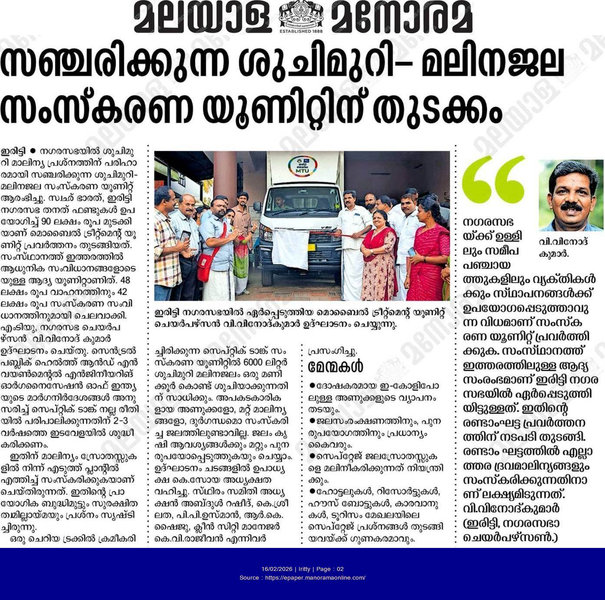
The Mobile Treatment Unit (MTU) is a vehicle-mounted septage treatment solution installed on a small truck. It treats septic tank waste on-site with a stated processing capacity of 3,000 to 6,000 litres of sewage per hour.
The unit combines solid–liquid separation, sludge thickening, and effluent treatment. This approach reduces sludge volume and supports responsible management of treated effluent, without depending on a large permanent treatment plant at every location.
Mobility allows the same equipment to serve multiple sites. For local governments, institutions, and sanitation operators, it provides a flexible way to bring treatment closer to the waste source.
Product descriptions and capacity figures are drawn from Bhouma’s supplied content. System sizing, performance, treatment requirements, and suitable reuse should be confirmed for your specific site.
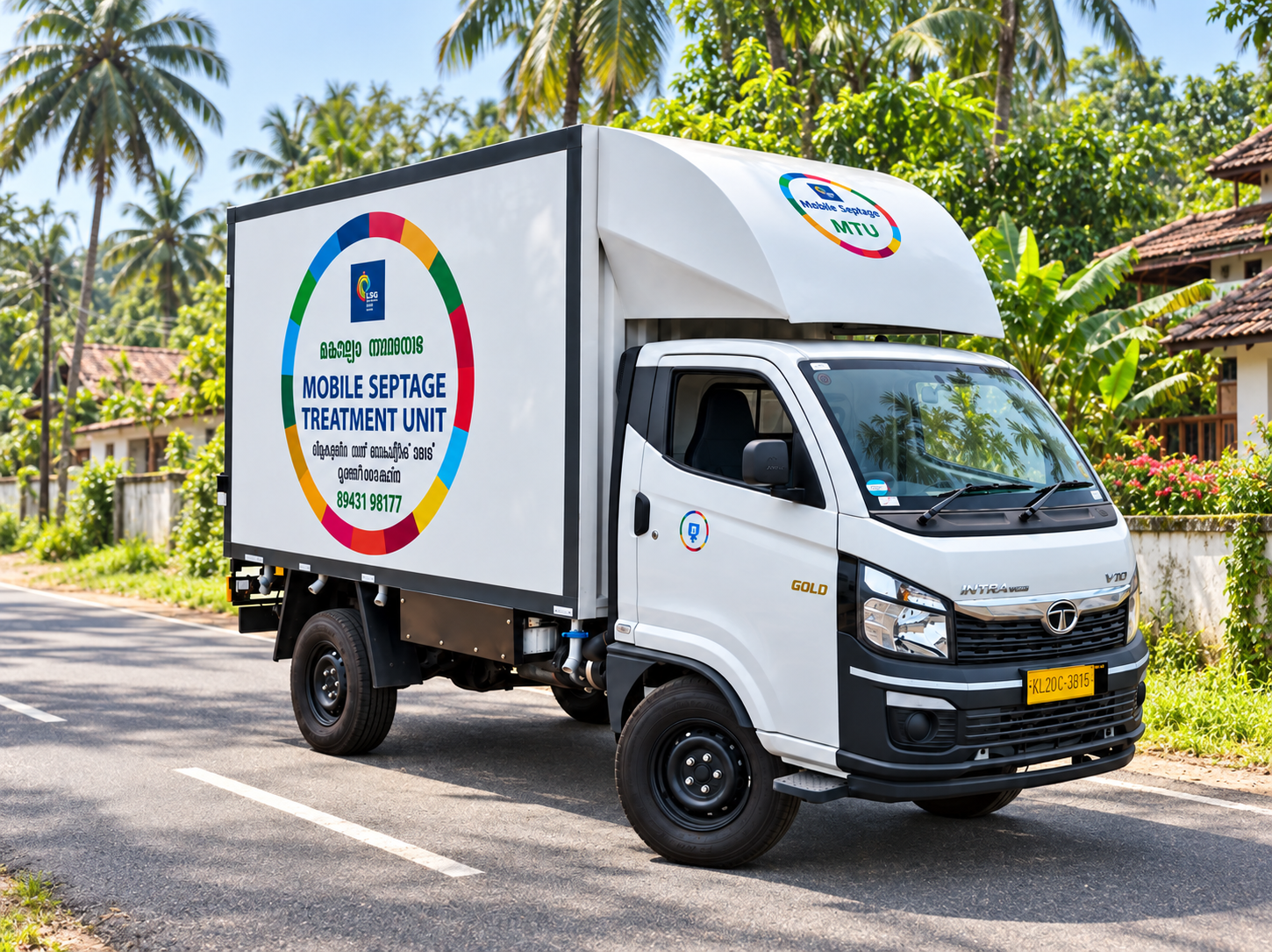
A compact truck-mounted system serves multiple sites, including places with limited fixed infrastructure.
On-site treatment avoids transporting the liquid fraction. The service site describes liquid septage as 95–99% of the load.
Treatment near the source helps address unsafe dumping and pressure on local waterbodies.
Rated at 3,000–6,000 litres per hour; actual throughput depends on the incoming septage and operating conditions.
Filtration, sludge dewatering and odour control work together in the compact treatment configuration.
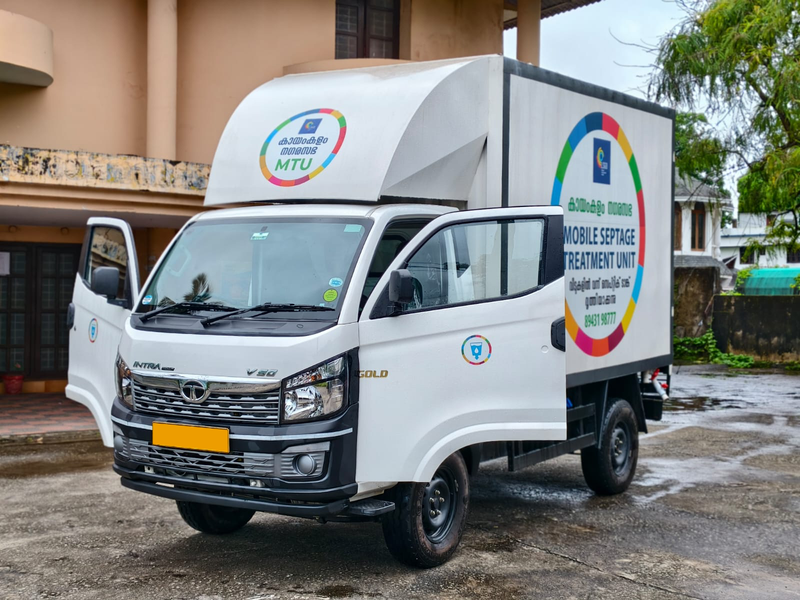
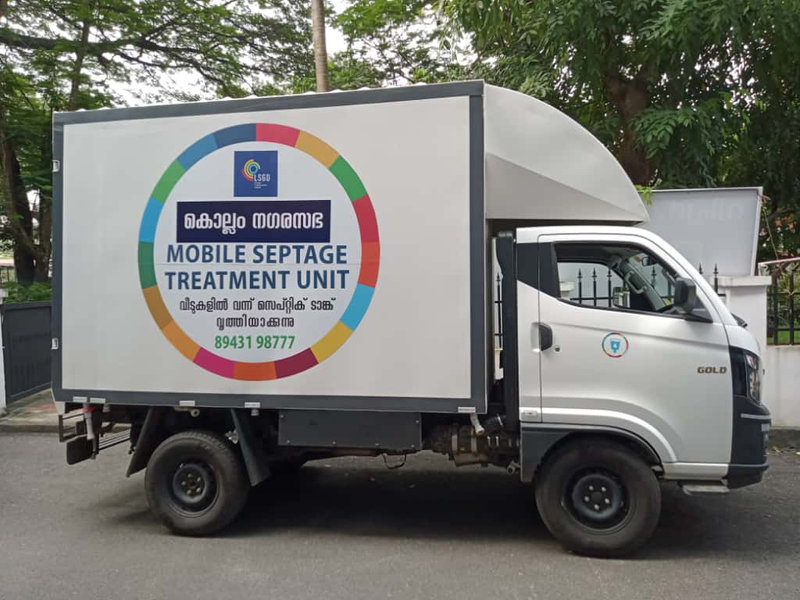
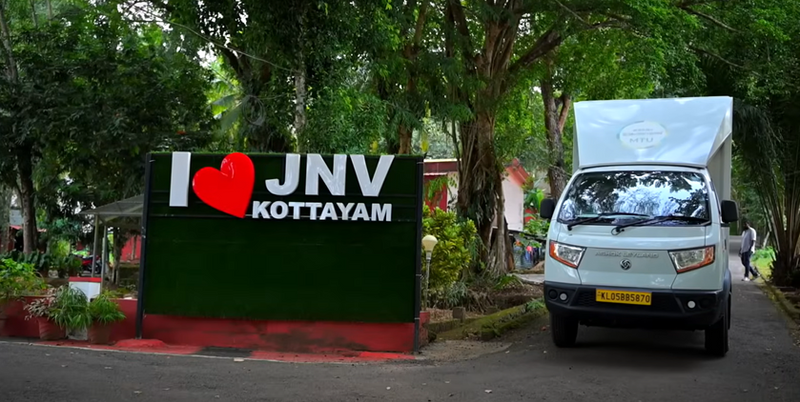
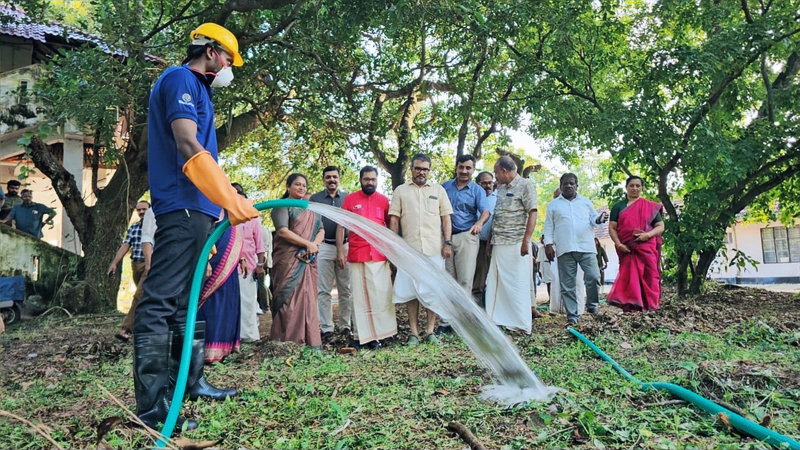
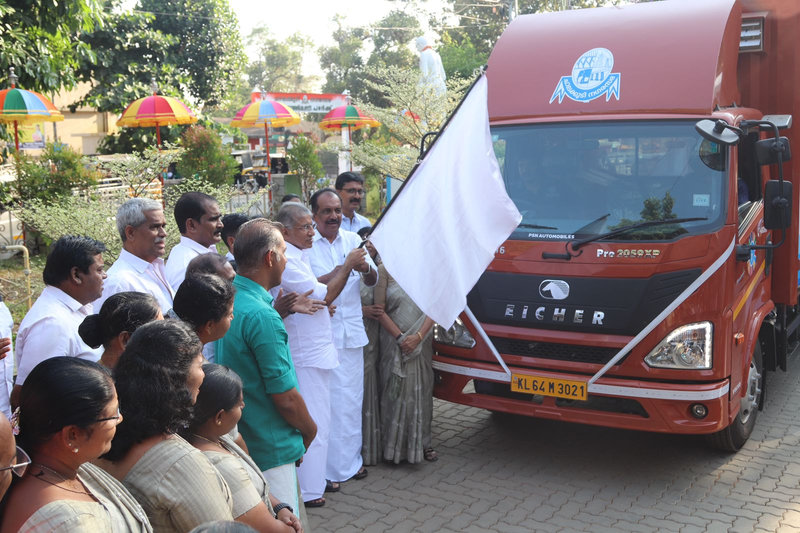
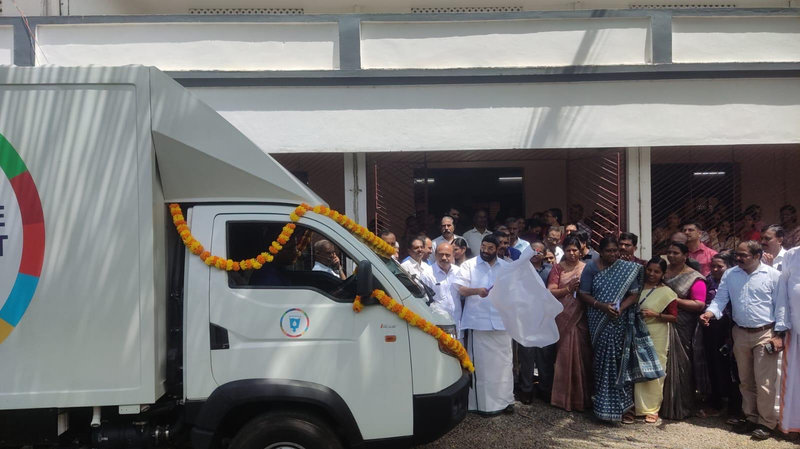
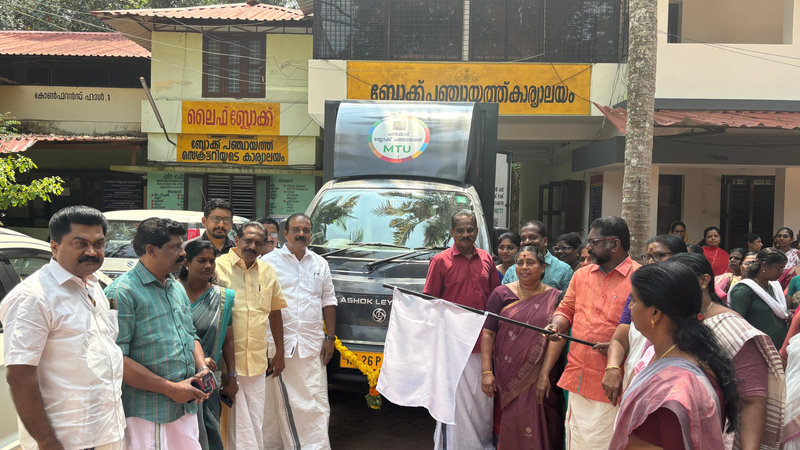
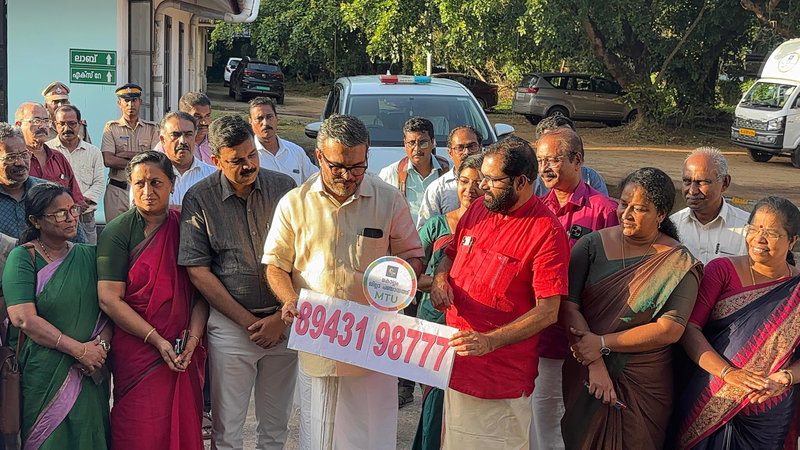
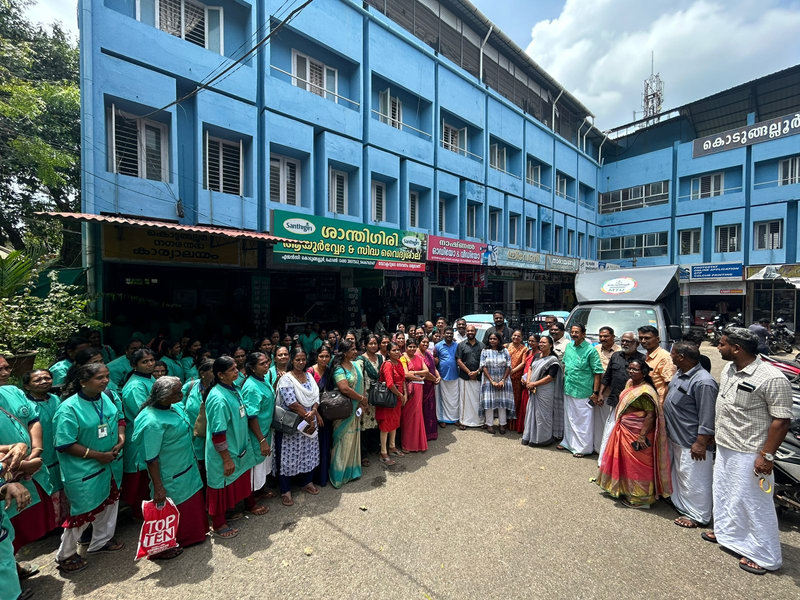
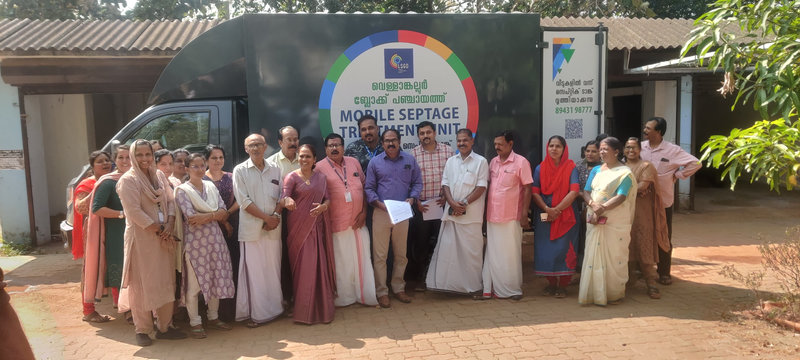
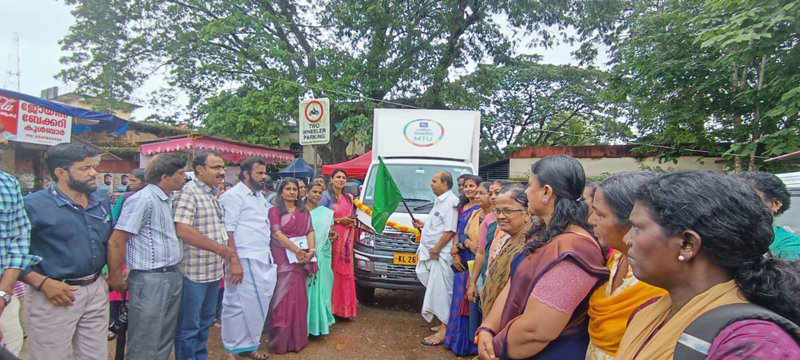
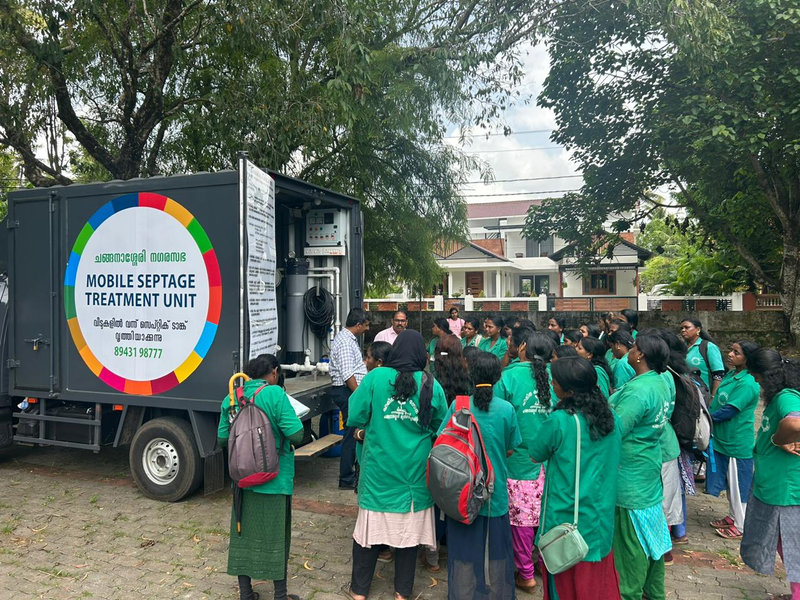
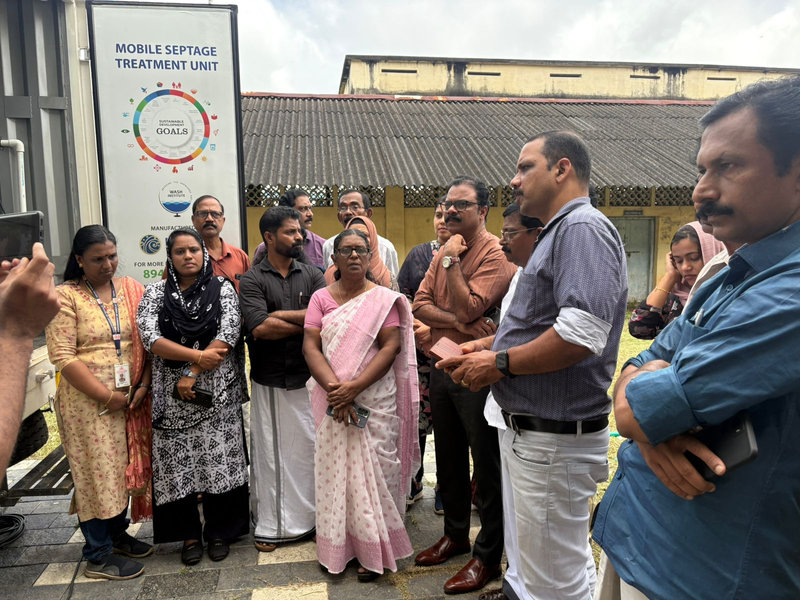
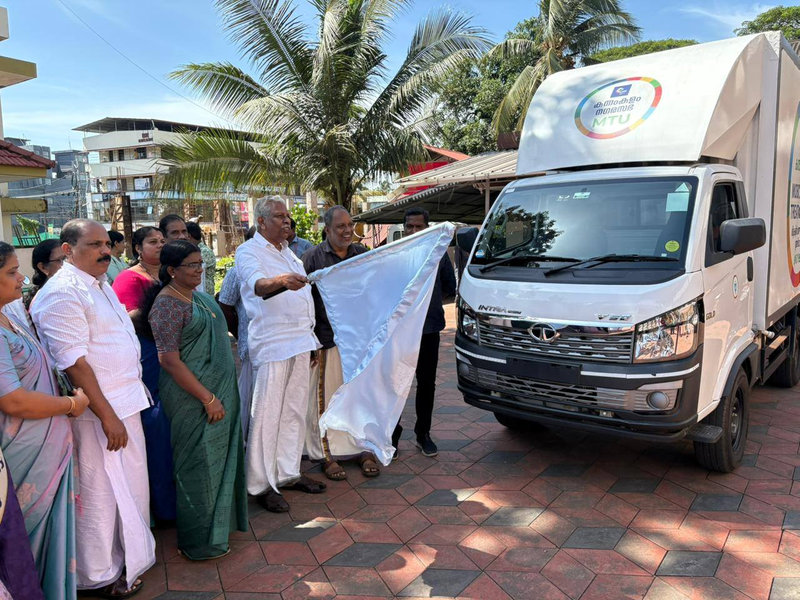
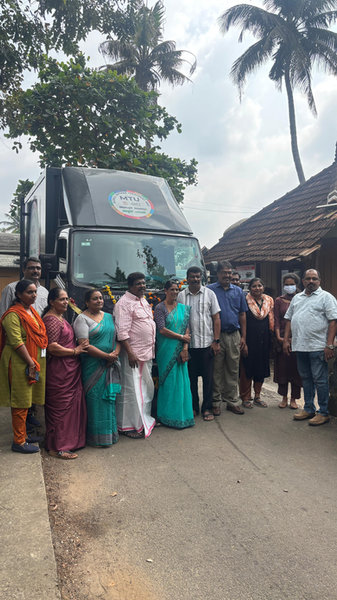
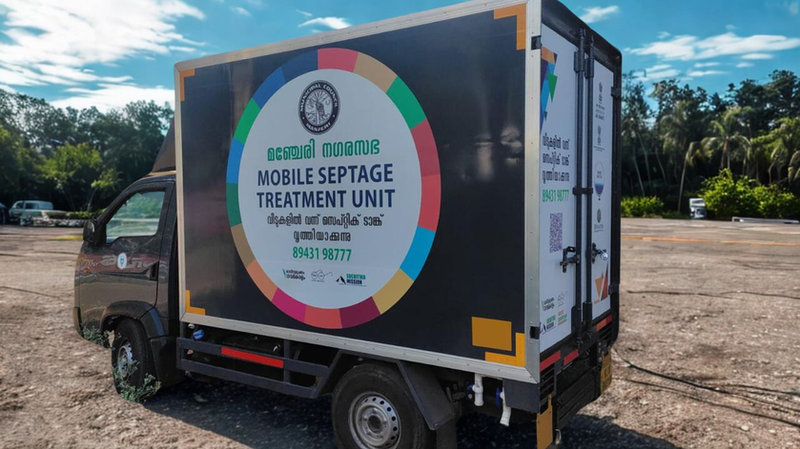
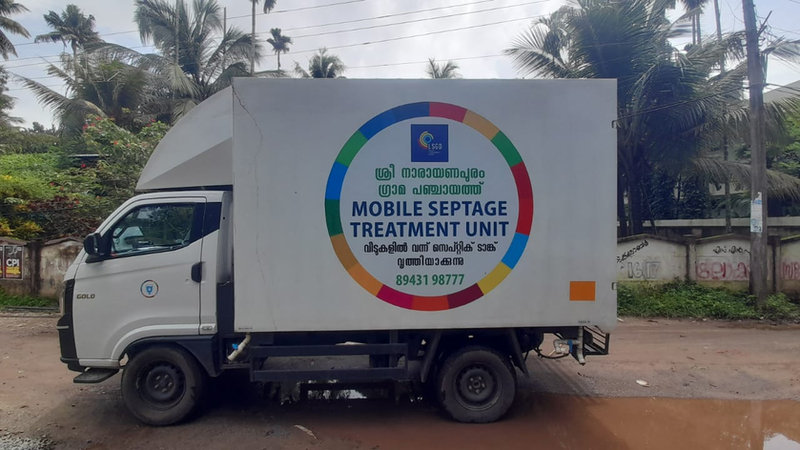
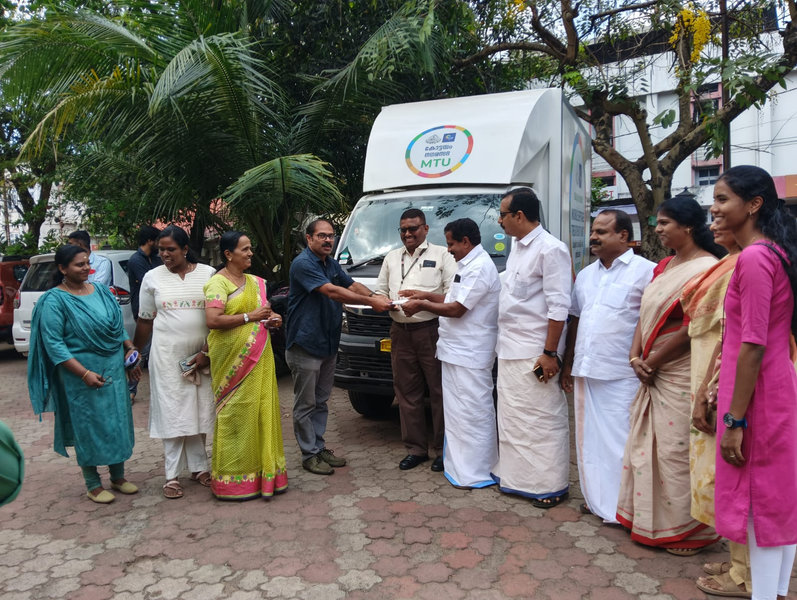
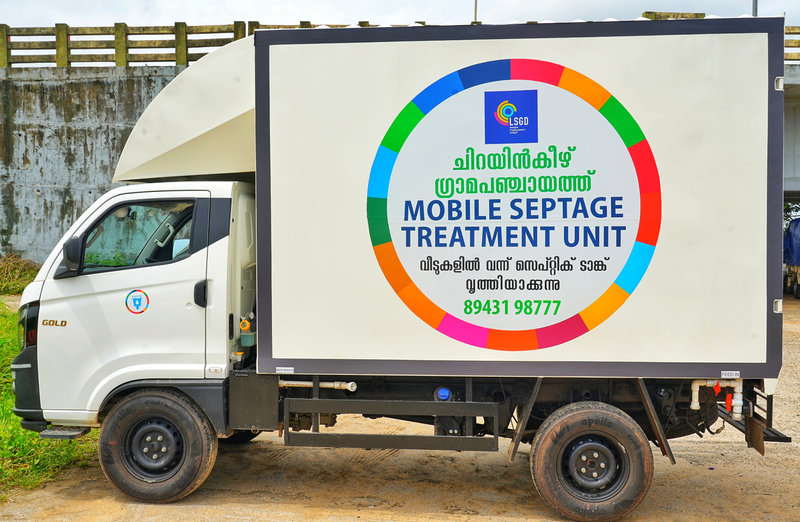
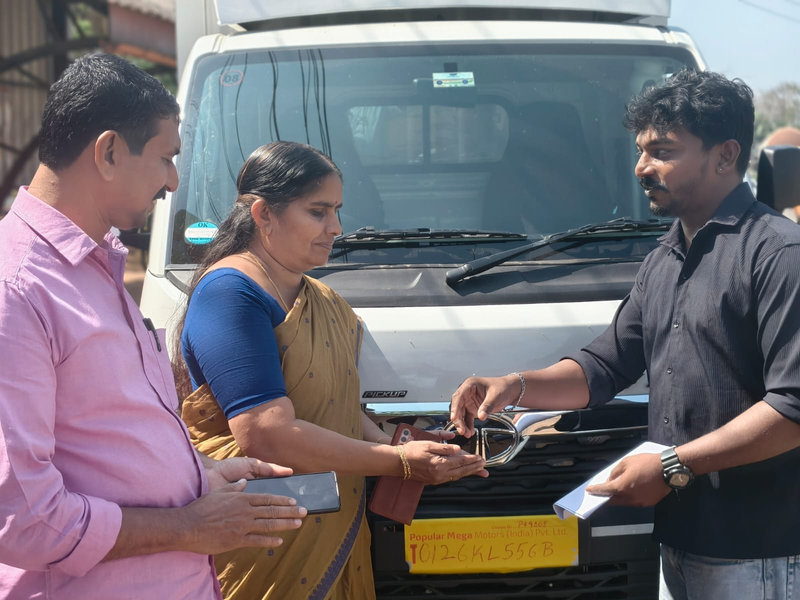
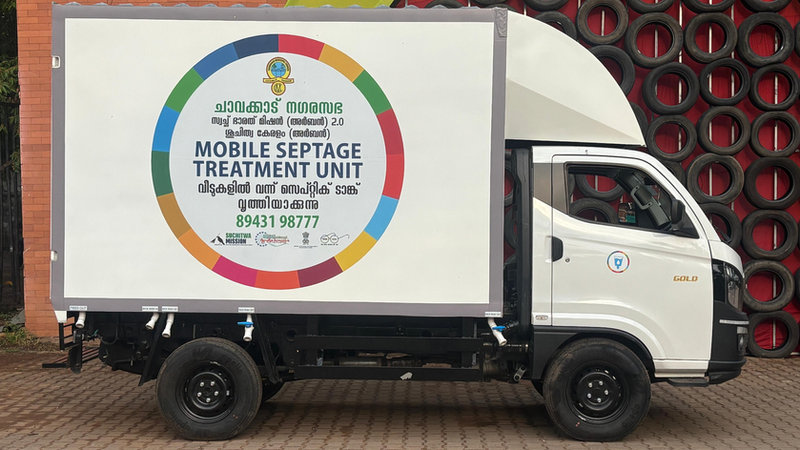
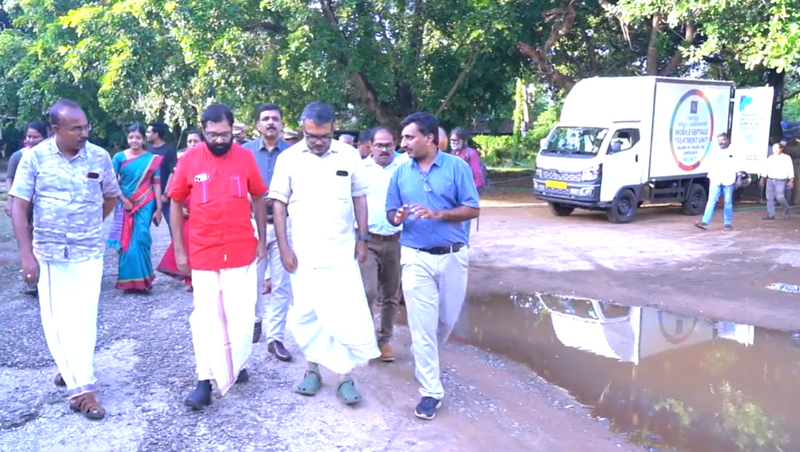
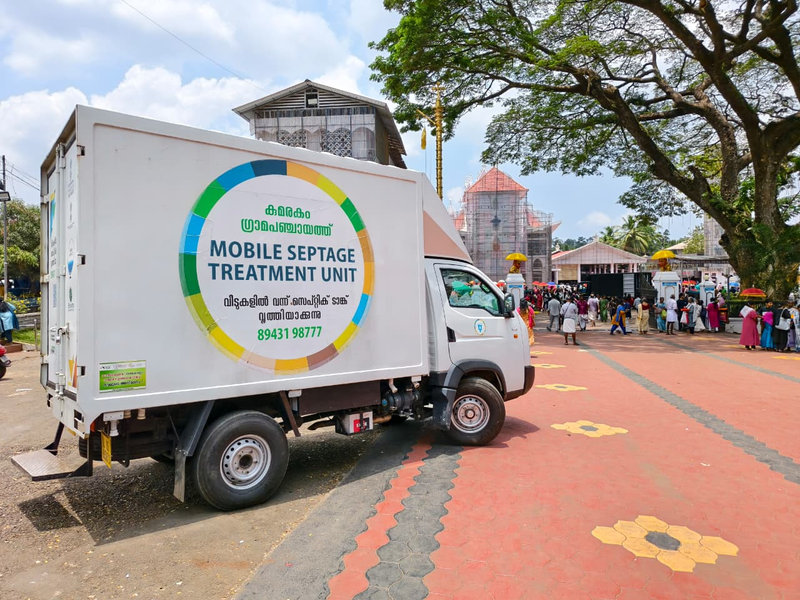
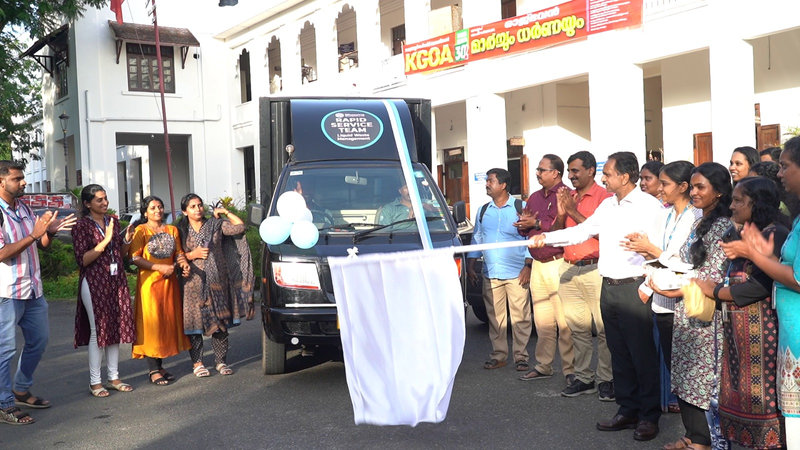
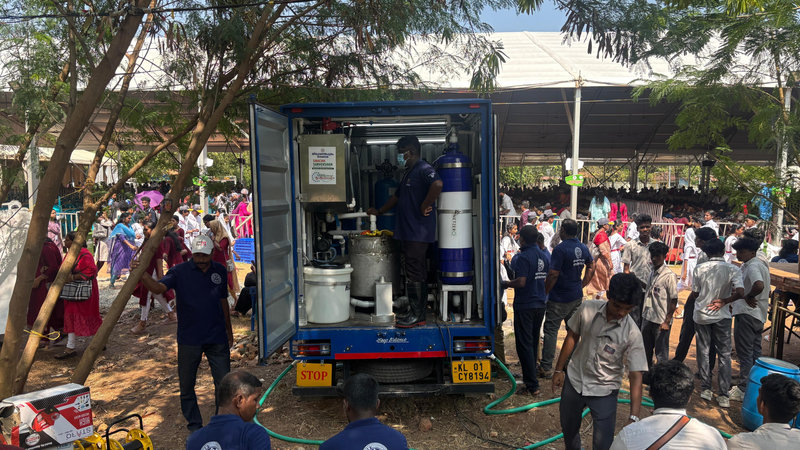
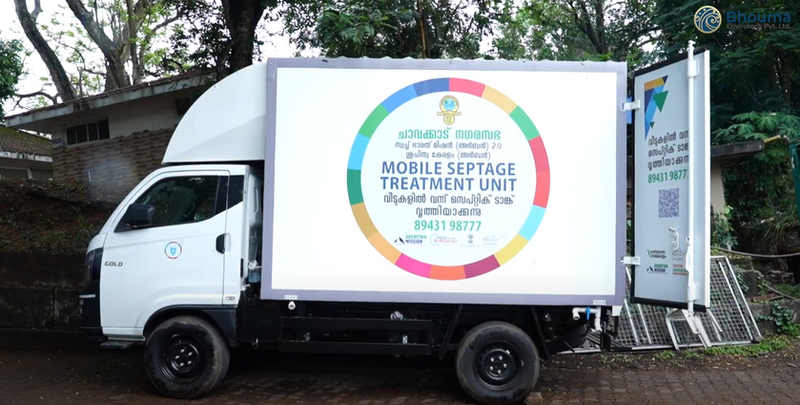
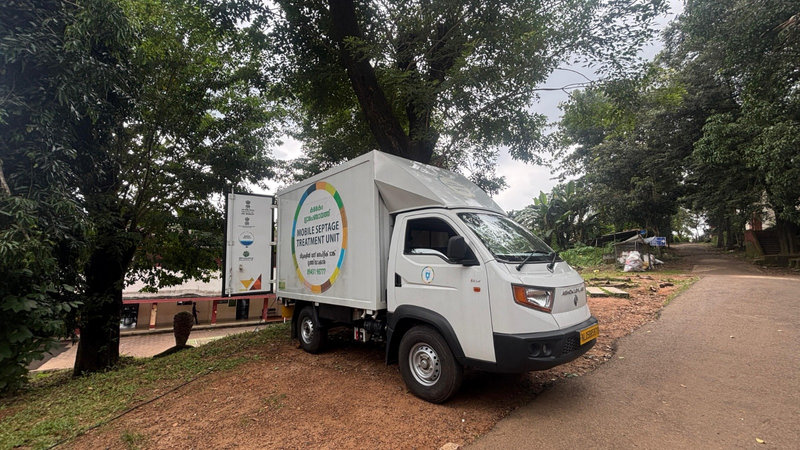
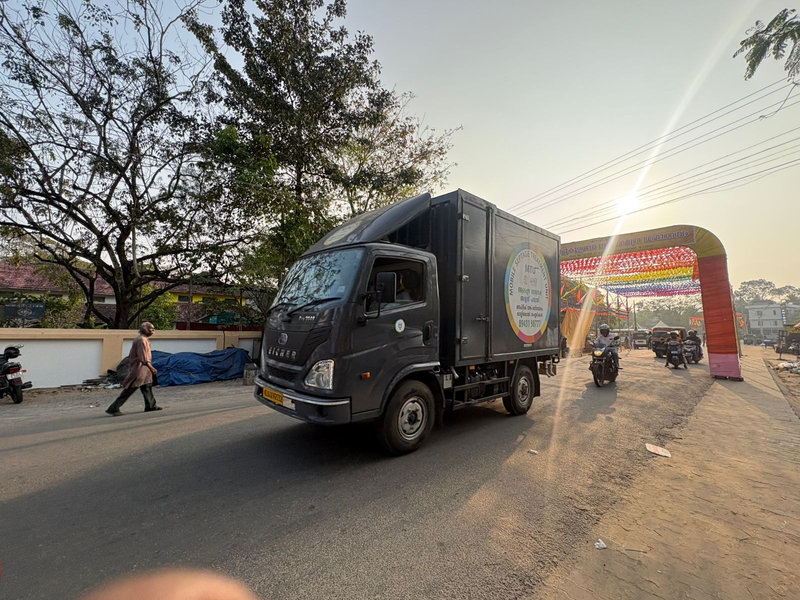
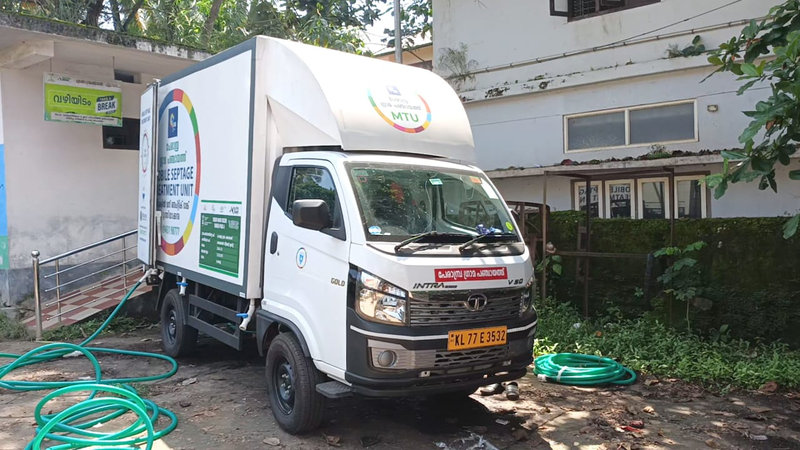
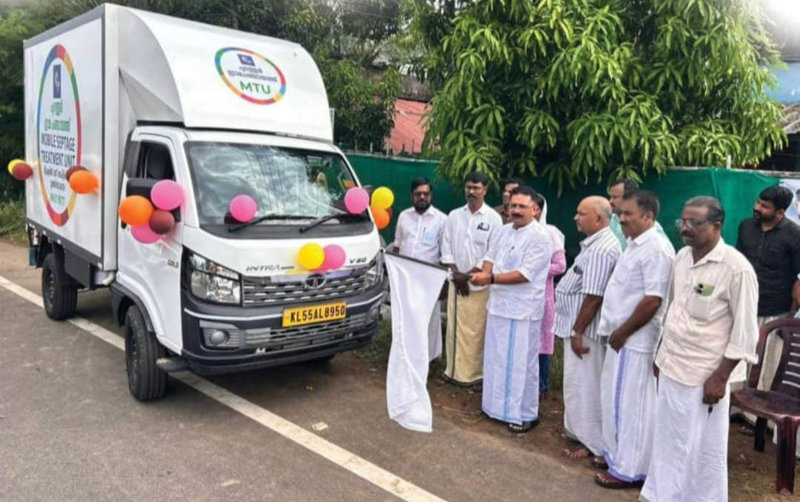
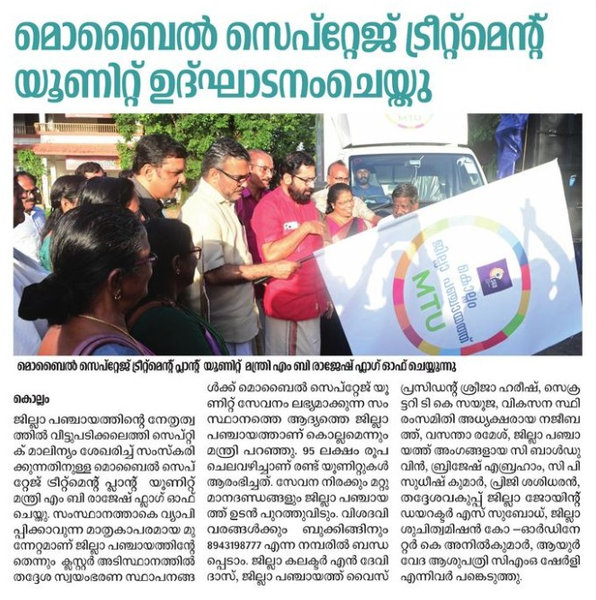
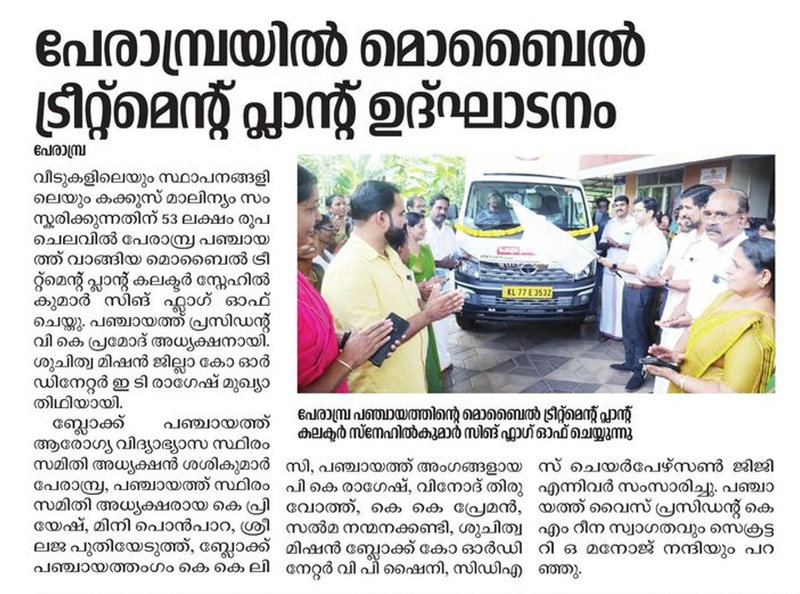
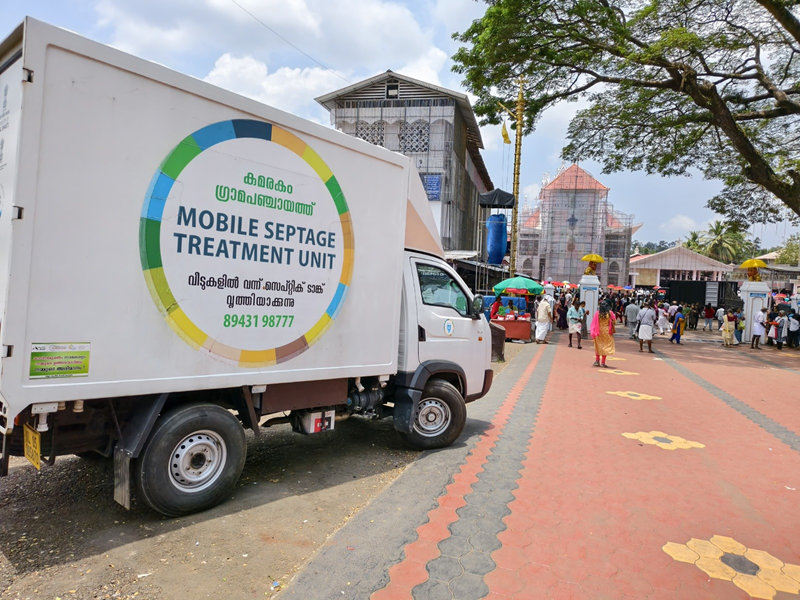
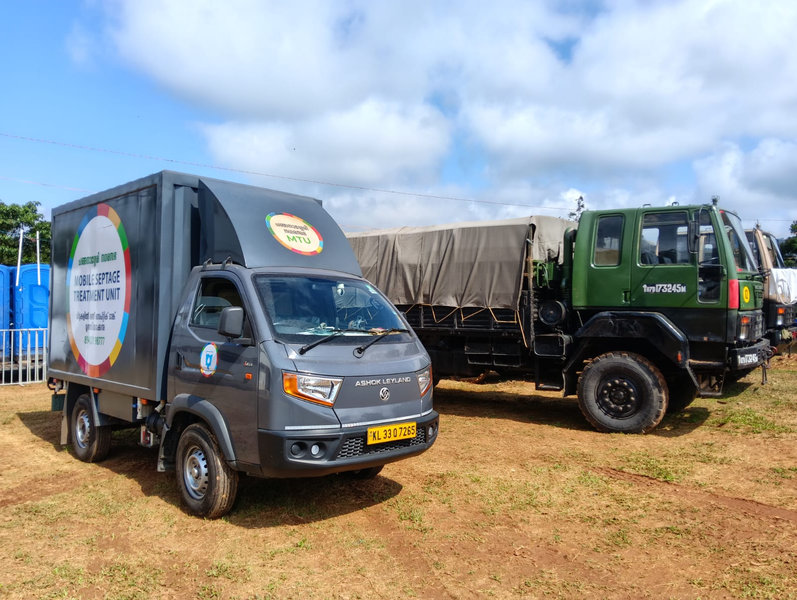
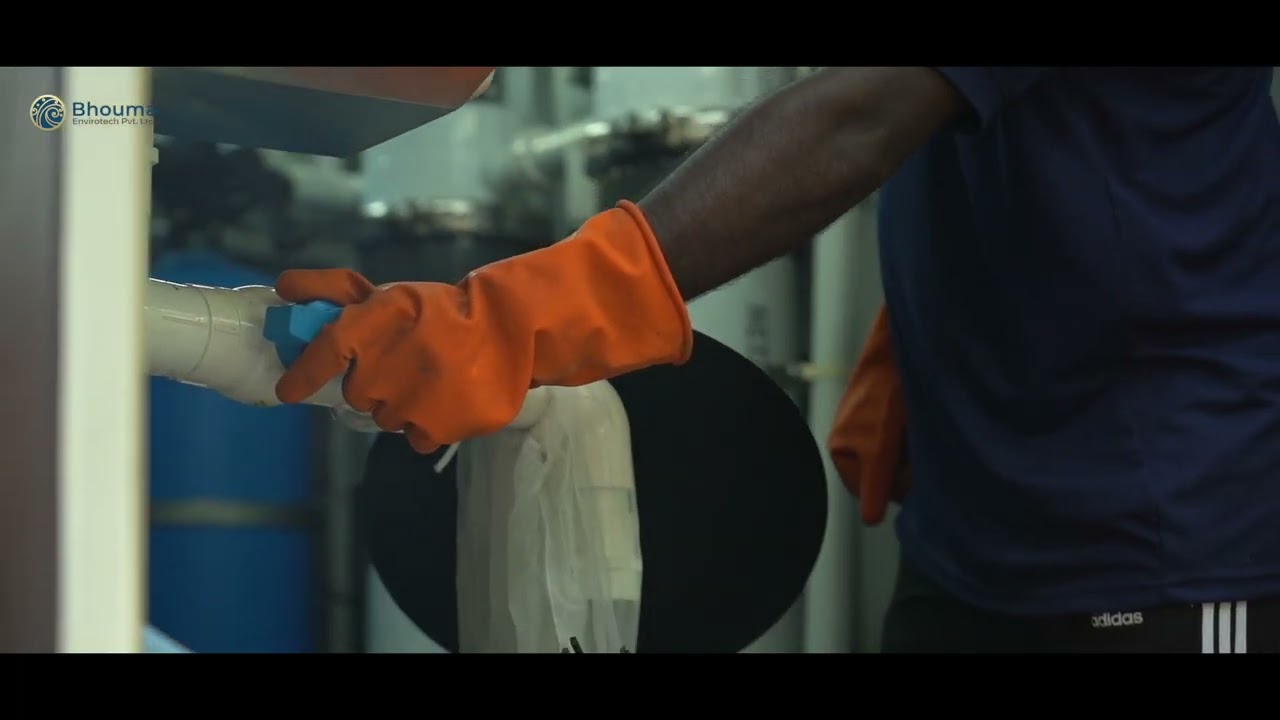
The Mobile Treatment Unit handles septage close to its source through solid–liquid separation and on-site treatment. For a properly constructed septic tank, the process follows these key stages.
The service’s maintenance campaign encourages desludging every three years to address overflow, groundwater pollution and avoidable repairs. A previsit helps assess tank access, condition, waste volume and service arrangements.
IS 2470 Part 1 covers septic tank design criteria and construction. Part 2 covers secondary treatment and disposal of septic tank effluent.
Capacity, settling time, sludge storage, chamber layout, ventilation, inlet/outlet levels and safe access all affect performance. Undersized tanks and inaccessible covers can undermine maintenance.
View BIS standard titlesExplore our service areas and vehicle deployments across Kerala, Sikkim, Andhra Pradesh and Tamil Nadu.







Kerala MTU Service features these organizations in its testing and evaluation section. Ask our team for the reports and documentation applicable to your proposed unit.









Urban growth, pressure on groundwater and untreated wastewater make local treatment important. Where centralized sewer networks are impractical, mobile systems can support community-led sanitation. The service site cites more than 72,000 million litres per day of wastewater generation in India as context for this challenge.
For historical context, CPCB’s 2021 national inventory estimated 72,368 MLD of sewage generation. Read the CPCB inventory
Tell us your name, phone number, site address and preferred visit date and time. The service team can discuss access, treatment requirements and arrangements.
Share the tank location, approximate size, previous service records and known faults to help the team prepare.
Mention narrow lanes, gates, slopes and parking restrictions when arranging the visit. The team can assess suitable access.
Identify where the tank access covers are and tell the team about paving, landscaping or other obstacles above them.
Describe nearby buildings, pedestrian routes and property activity so the site arrangement can be discussed in advance.
Discuss the intended destination of the treated liquid with the operator before service begins.
Ask what the proposed visit includes, how the work will be coordinated and which property representative should be available.
Flag repeated odour, overflow or drainage issues when arranging the previsit, so the team has the background to your request.
Keep the visit date and service record with your property documents so a later inspection can refer to the previous work.
Service information and field reports: Kerala MTU Service . Service locations and availability can change.
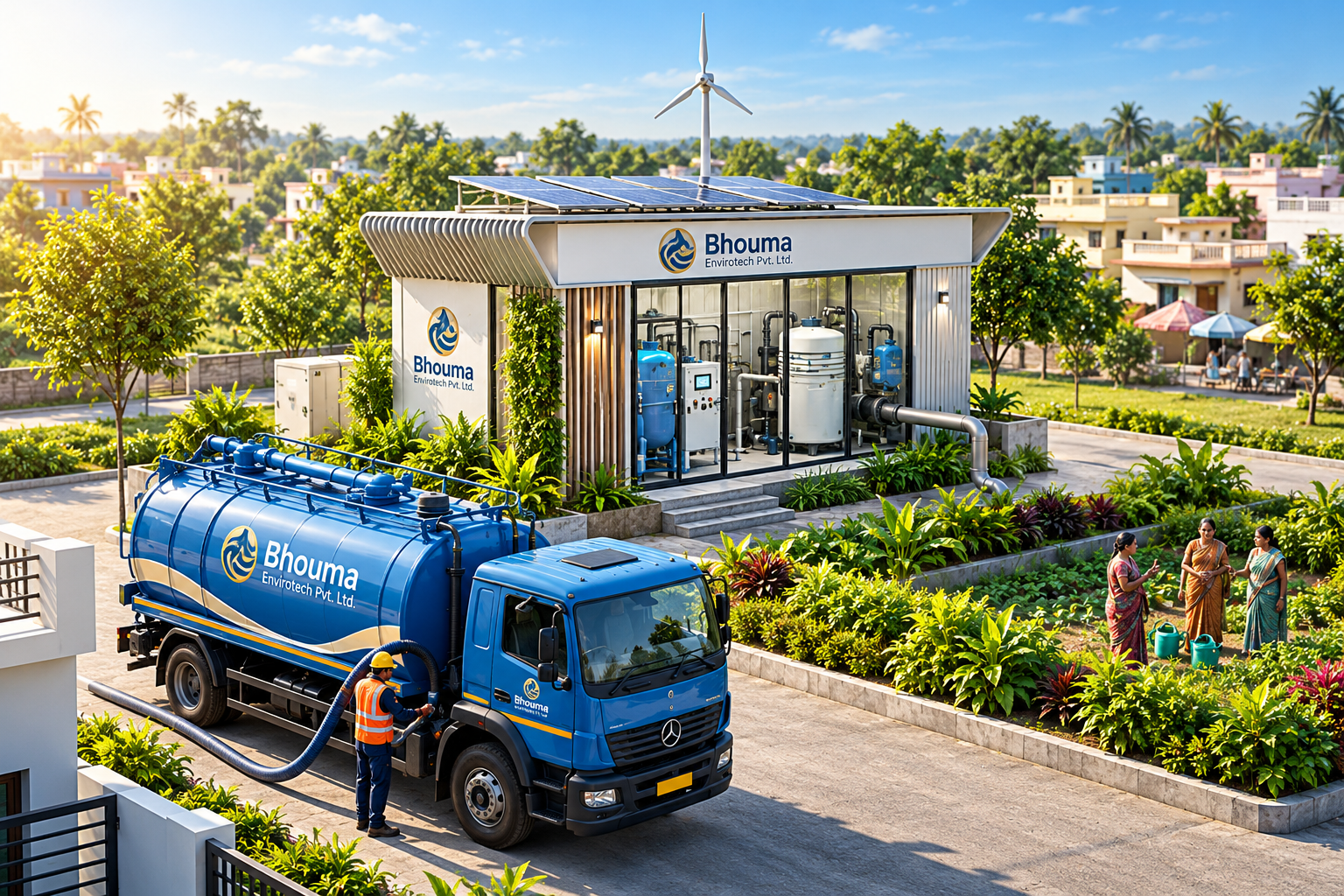
A decentralized sanitation ecosystem. Built for communities, designed to scale.
Explore solution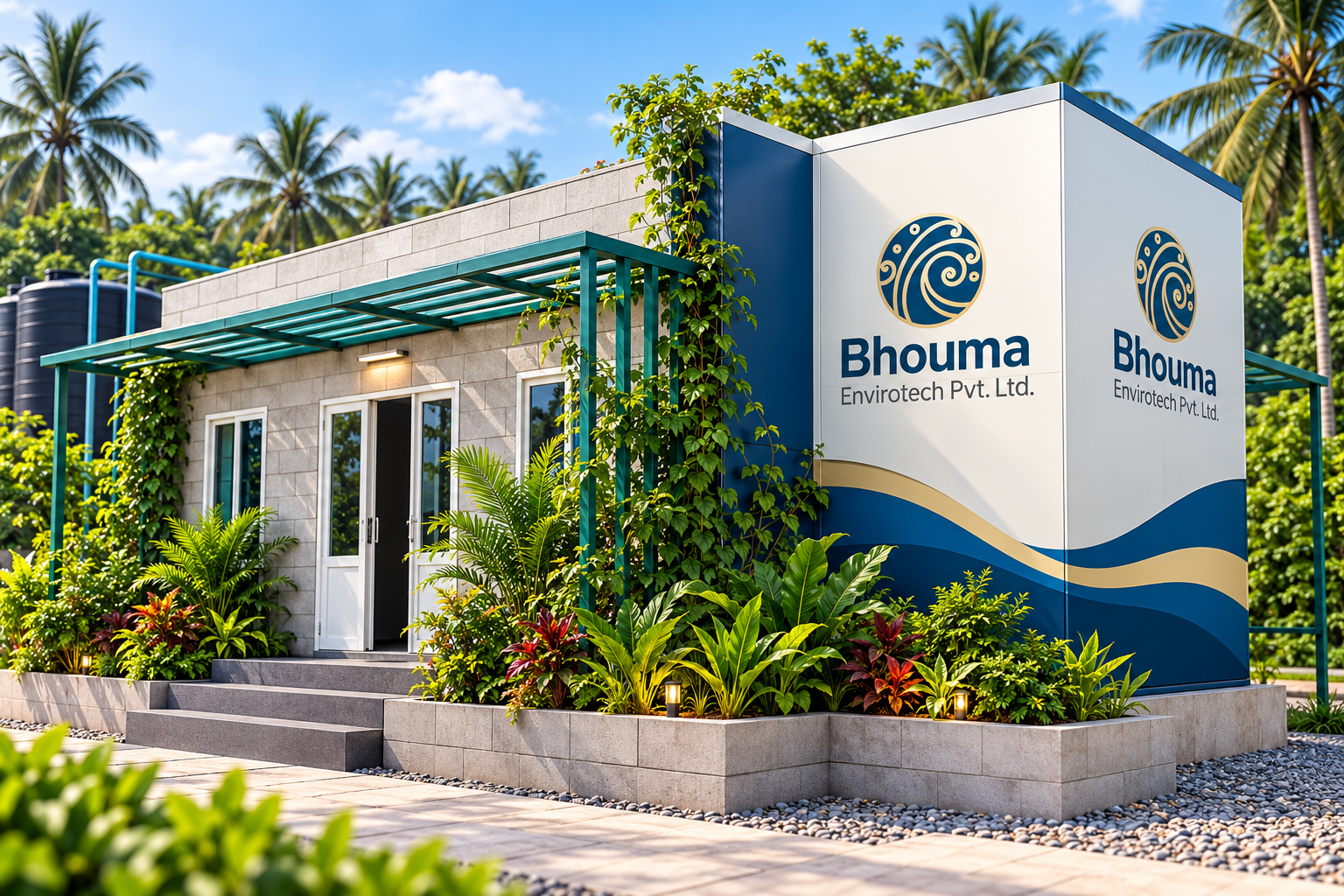
Modular sewage treatment for campuses, businesses, and growing communities.
Explore solution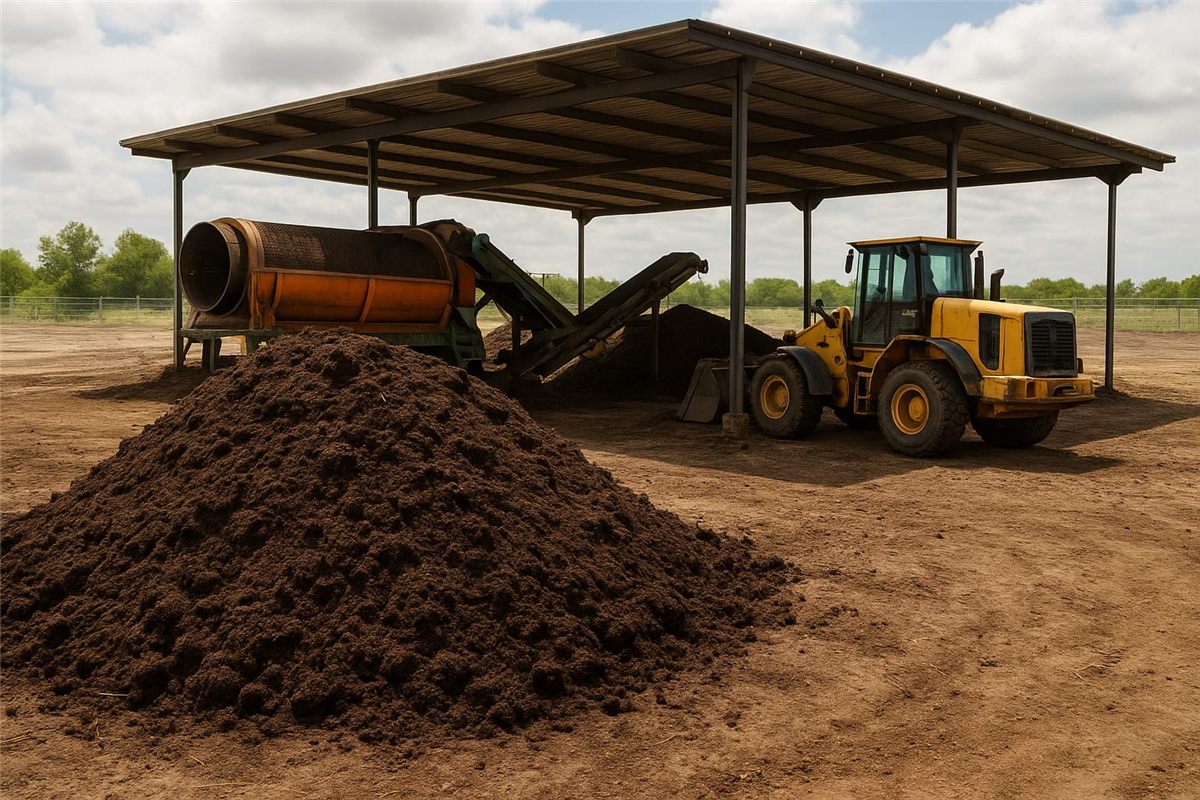
Integrated sludge processing that supports a complete resource recovery cycle.
Explore solution